
New Federal Environmental Laws: What They Mean for Beef Producers
New Federal Environmental Laws: What They Mean for Beef Producers
A Changing Legal Landscape
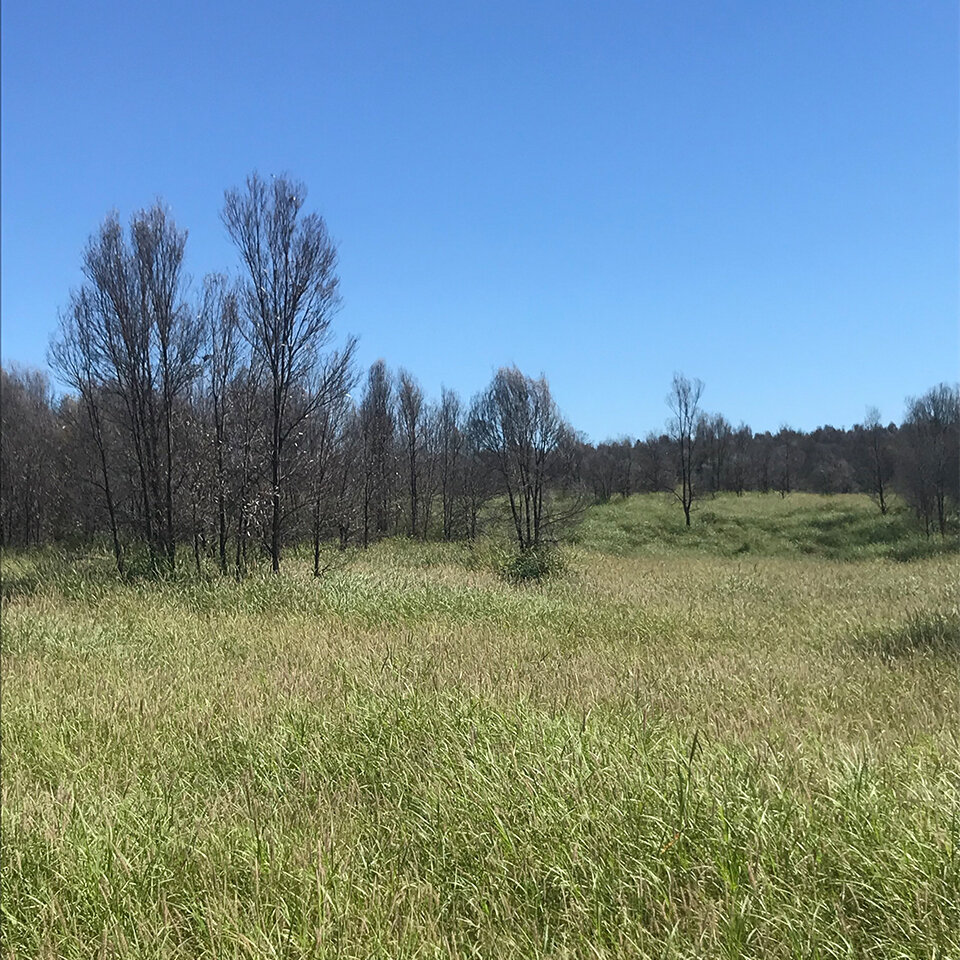
Recent changes to Australia’s federal environmental laws are reshaping how vegetation clearing and regrowth management are treated across grazing regions. The reforms sit under the Environment Protection and Biodiversity Conservation Act 1999 (EPBC Act) and its regulatory framework for agricultural exemptions, with implications for how land is managed over time. Land that has not been cleared for fifteen years or more may no longer be recognised as “continuously used” grazing country. Once that exemption is lost, future clearing may now require formal federal assessment and approval.
In practical terms, this means that areas of regrowth that were once assumed to be manageable in the future may instead become far harder, or in some cases, impossible to legally treat if left untouched for too long. The federal changes sit alongside existing state-based vegetation laws, meaning producers need to be conscious of both levels of regulation.
The key point is that vegetation left unmanaged for extended periods may be reclassified under federal law, triggering a stricter approval pathway before any future clearing can occur.
Granular Products, a long-established supplier of woody weed and invasive grass management solutions and a Platinum Partner of Cattle Australia, said the new rules have already sparked serious conversations across cattle country, according to CEO Ebert Terblanche.
“Producers are telling us they’re worried about what this means for the long term,” Ebert said. “They want clarity, they want certainty, and they want to know what they can and can’t do moving forward.”
Why the Changes Matter in Practical Terms
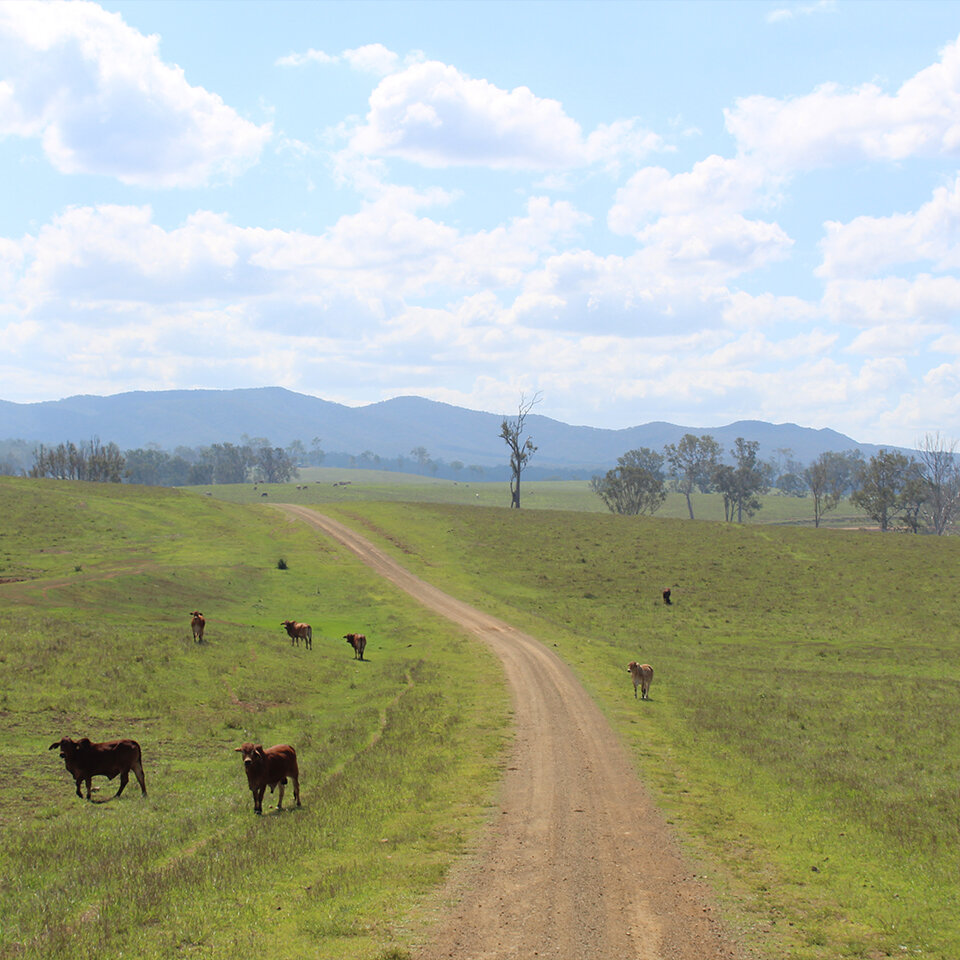
For many beef enterprises, vegetation management has long been a routine part of running productive country, helping to control regrowth that can reduce pasture quality and carrying capacity. The regulatory risk under the new framework sits primarily with areas of unmanaged or overgrown vegetation, but the broader message for producers is the same: actively managed country is increasingly important from both a compliance and productivity perspective. Where vegetation issues are left to build over long periods, future treatment options may become more complex or, in some cases, restricted.
Ebert said the implications go beyond regulation alone. “This isn’t just about compliance, it’s about productivity,” he said. “When woody weeds are left unmanaged, they limit pasture utilisation, reduce carrying capacity, and impact long-term profitability. Producers who act proactively retain more control over their country and their business.”
The Risk of Waiting Too Long
While the laws are designed to protect environmental values, they also underline the importance of timing. Leaving regrowth to build to the point where it is no longer regarded as previously managed country could not only mean a reduction in pasture productivity and land value, but it could also mean tougher approval pathways, more red tape and greater uncertainty.
“The real risk is in delaying action,” Ebert said. “If you wait too long and lose that historical management recognition, your options narrow considerably. Acting early gives producers more control over outcomes.”
Next Steps for Graziers
With legislation tightening, producers are increasingly looking for support that goes beyond product supply. Granular Products is working closely with beef producers to help them understand how the new laws apply in practical terms, assess the status of their country and plan vegetation management in a way that supports both compliance and productivity.
“Our role is to help producers navigate this, not just tell them they need to do something,” Ebert said. “That means sitting down with them, looking at their country, discussing their management history and developing a sensible plan forward.
“We’re also supporting producers with practical guidance on managing vegetation,” Ebert continued. “That includes helping them identify suitable treatment windows, plan programs effectively, and ensure their management aligns with evolving regulatory expectations.”
Granular Products’ Regain is a granular herbicide containing tebuthiuron, designed to control woody weeds and dense regrowth while allowing pasture to recover. It is currently available for ground application, providing a targeted and effective tool for safely managing overgrown vegetation. For larger areas or harder-to-access country, aerial application of Regain will be available from early April based on agronomic conditions and reef regulations, allowing producers to plan ahead and position their properties effectively under the new laws.

Helping Producers Plan with Confidence
Ebert said the key for producers now is forward planning rather than reactive decision-making.
“Good planning gives confidence,” he said. “When producers understand their options, understand their country and know there are practical tools available, they can approach this with far less anxiety and far more certainty.”
Granular Products is also encouraging producers to start conversations early with their regional GP Technical Sales Specialist. Demand for support and treatment programs is already increasing as awareness of the legislative change spreads across the industry.
Acting Early to Protect Future Flexibility
Effective environmental planning is a crucial component of modern agriculture. Producers who assess their country now, seek advice early, and actively manage regrowth are more likely to retain control over land-use decisions, protect long-term grazing performance, and have more practical environmental outcomes.
“Australian beef producers have always adapted, and this is another shift the industry will work through,” Ebert said. “By acting early, planning carefully and using the right tools, producers can stay compliant, protect productivity and ensure their country continues working for them in the years ahead.”